Understanding the Power Flush Process
Power flushing is an essential maintenance procedure designed to enhance the efficiency of a heating system by removing accumulated sludge, rust, and debris from the pipes and radiators. This process revitalizes your central heating system, ensuring it operates optimally. As homeowners seek to maintain a comfortable living environment, understanding the significance of a power flush becomes crucial. This article will delve into the intricacies of power flushing, its necessity, and the benefits it brings to your heating system.
What is a Power Flush?
A power flush involves the circulation of water at high velocity through your central heating system. This action dislodges sludge, rust, and debris that block the flow of water and reduce the efficiency of your heating system. It is conducted using specialized equipment that connects to the heating system, ensuring a thorough clean without dismantling radiators or pipework.
Why Power Flushing is Necessary
Over time, heating systems can accumulate harmful materials due to corrosion and the breakdown of metal components. These materials can lead to blockages that hamper water flow, cause cold spots in radiators, and even necessitate costly repairs. By performing regular power flushes, homeowners can maintain their systems and prevent these issues from escalating. Additionally, older systems that have never been flushed are particularly prone to sludge build-up, making power flushing a vital service for maintaining long-term efficiency.
How Power Flush Improves Heating Efficiency
Power flushing enhances the overall performance of your heating system. After a flush, homeowners typically experience improved heat distribution throughout their property. This means that rooms that once felt cold due to blockages will benefit from consistent warmth, allowing for more comfortable living conditions. Moreover, a clean system operates more efficiently, leading to reduced energy consumption and lower heating bills.
Benefits of Power Flushing Your Heating System
Enhanced Heating Performance
One of the most significant advantages of power flushing is the immediate improvement in heating performance. By eliminating blockages, the flow of hot water through radiators becomes unrestricted, resulting in warmer rooms and quicker heating times. The enhanced performance is not just about comfort; it also translates to a more efficient system that uses less energy.
Cost Savings on Energy Bills
When a heating system operates efficiently, it consumes less energy, which directly correlates with lower energy bills. Homeowners can often see a significant reduction in costs after a power flush. Additionally, as the system works more efficiently, there’s less strain on the components, which can extend the lifespan of the heating system, avoiding costly replacements or repairs.
Prolonging the Lifespan of Your Radiators
Regular maintenance, including power flushing, reduces wear and tear on your heating system. By clearing out sludge, you prevent corrosion and the deterioration of essential components, such as radiators and pipework. This preventive measure can significantly extend the lifespan of your radiators, saving homeowners the expense and inconvenience of premature replacements.
Signs Your System Needs a Power Flush
Common Indicators of Sludge Build-Up
Recognizing the signs of sludge build-up is essential for maintaining your heating system. Some common indicators include:
- Cold spots on radiators
- Strange noises, such as gurgling or banging, when the heating is on
- Radiators that require frequent bleeding
- Increased energy bills without a corresponding increase in heating
Symptoms of Inefficient Heating
Aside from the above indicators, there are several symptoms indicating that your heating system may not be operating efficiently:
- Heating system takes longer than usual to warm up
- Radiators feel excessively hot at the top and cold at the bottom
- Unusual fluctuations in temperature across different rooms
When to Call a Professional
If you notice any of these symptoms, it’s crucial to call a professional heating engineer. They can provide a diagnostic assessment and recommend whether a power flush is necessary to restore the system’s effectiveness. Ignoring these signs could lead to more severe problems down the line.
Choosing the Right Power Flushing Service
What to Look for in a Service Provider
When selecting a power flushing service, it’s essential to consider several factors to ensure you receive high-quality workmanship:
- Check for certifications and qualifications of the technicians.
- Look for reviews and testimonials from previous customers.
- Inquire about the tools and technology used for the flushing process.
- Understand the warranty or guarantee offered on their services.
Questions to Ask Before Hiring
Before settling on a service provider, it’s wise to ask the following questions:
- What is included in the power flushing service?
- How long will the process take?
- Will I incur any additional costs?
- Do you offer an aftercare service?
Understanding Service Costs
The cost of power flushing can vary based on several factors, including the size of your property and the complexity of the heating system. Generally, prices can range between £300 and £800, depending on the number of radiators and the level of sludge present. It's always advisable to get a detailed quote before proceeding with the service to avoid any surprises.
Future Trends in Power Flushing and Heating
Innovative Technologies in Leak Detection
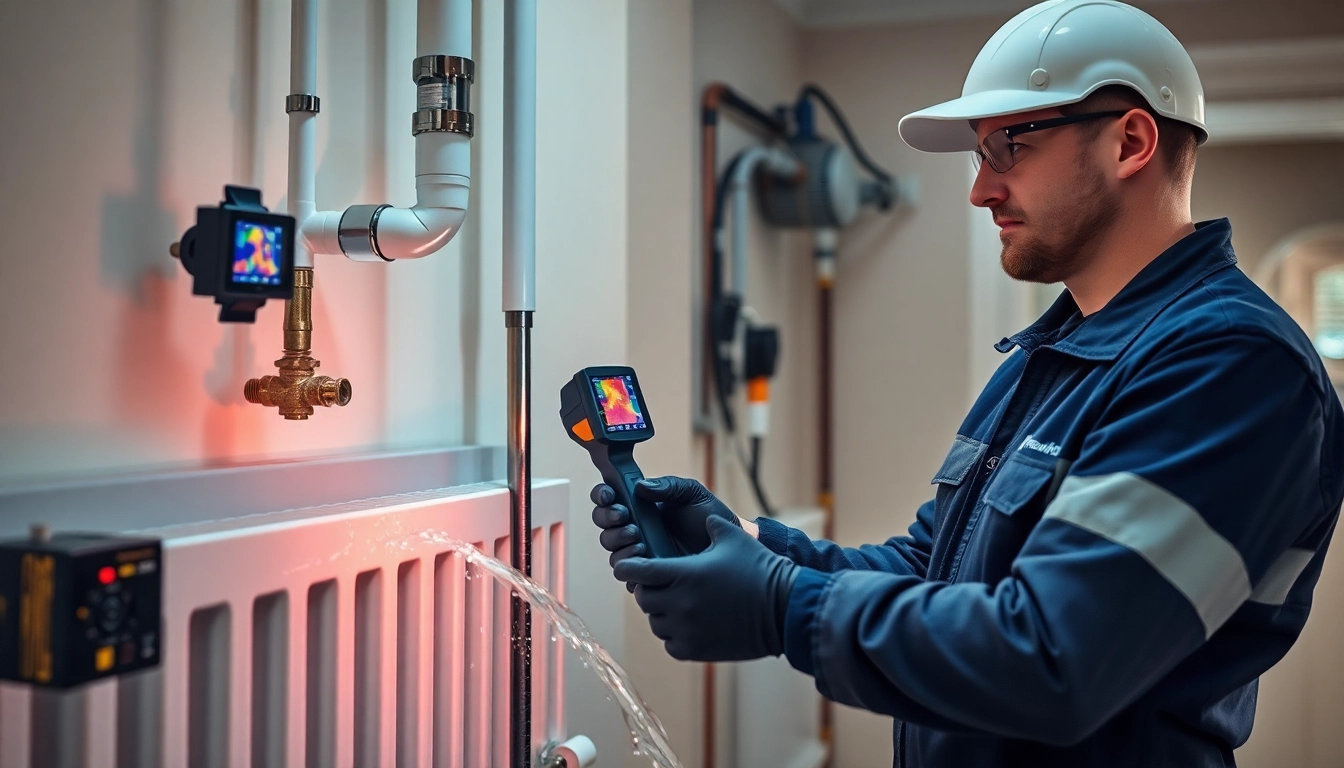
The advancements in leak detection technologies are significant for maintaining heating systems and enhancing the effectiveness of power flushing. Using tools like thermal imaging cameras and acoustic sensors, professionals can pinpoint leaks and issues in real time, leading to more informed maintenance decisions.
Eco-Friendly Power Flushing Solutions
As environmental consciousness grows, so does the demand for eco-friendly power flushing solutions. Many service providers are now using biodegradable cleaning agents that effectively remove sludge without harming the environment. This shift not only benefits homeowners but also contributes to a more sustainable heating landscape.
Predictions for the Heating Industry in 2025
Looking ahead to 2025, the heating industry is expected to become more integrated with smart home technology. Smart thermostats and heating controls will allow homeowners to monitor and adjust their systems efficiently, potentially minimizing the need for frequent power flushes by maintaining optimal operating conditions. Additionally, regular maintenance alerts could help identify issues before they escalate, keeping systems running smoothly.