Overview of the Mount Everest Base Camp Trek
The Mount Everest Base Camp Trek (EBC Trek) is a thrilling journey that attracts adventurers from around the world. It offers trekkers the chance to experience breathtaking views of the world's highest peaks and immerse themselves in the rich culture of the Sherpa people. Spanning approximately 14 days, this trek takes you through the stunning landscapes of the Khumbu region, leading to an elevation of 5,364 meters (17,598 feet) at Everest Base Camp. Along the way, trekkers encounter vibrant villages, historical monasteries, and majestic mountains that create an unforgettable backdrop for their adventure. For details on planning your own journey on this mount Everest base camp trek, it's essential to be well-prepared and knowledgeable about the challenges that lie ahead.
What to Expect on Your Journey
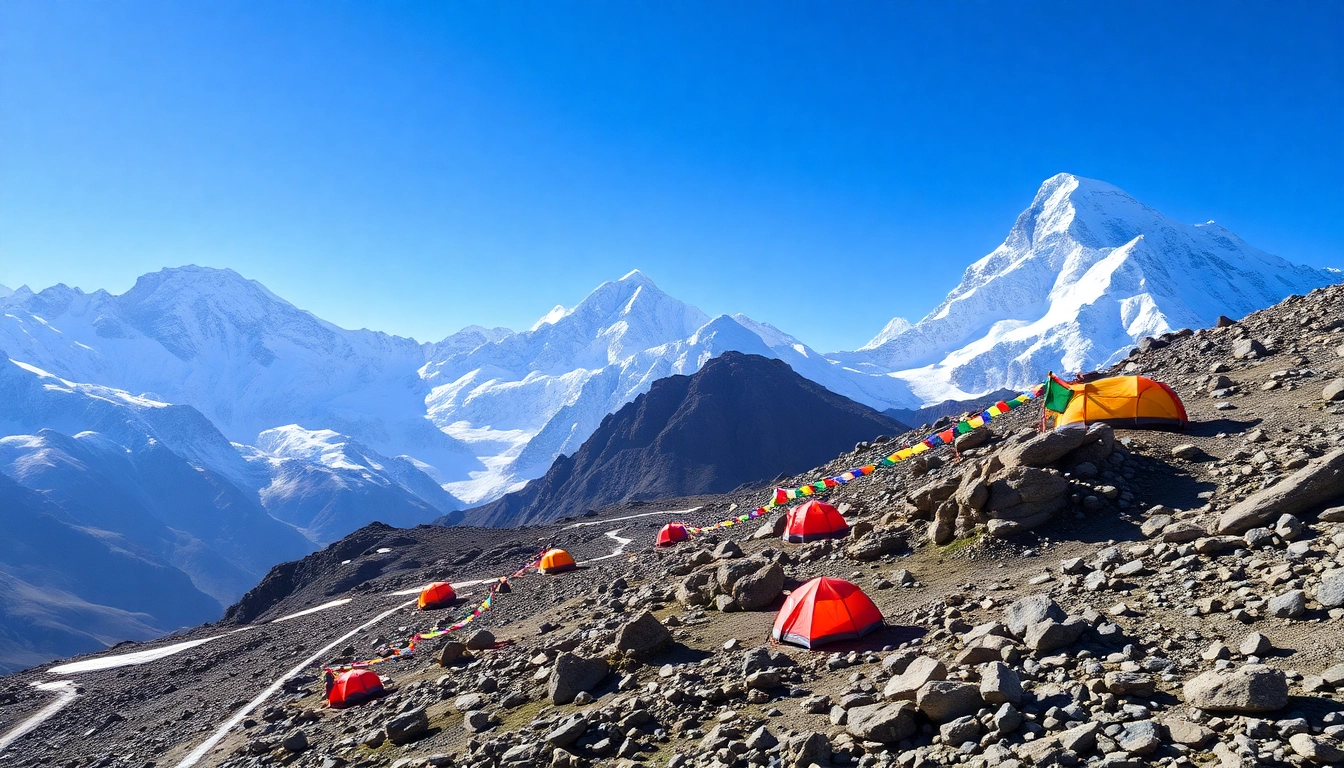
Trekking to Everest Base Camp is not just a test of physical endurance; it is also a journey through the heart of Nepal’s natural beauty and cultural heritage. The trek is structured to allow acclimatization, ensuring trekkers adapt to the altitude effectively. You can expect a mix of challenging ascents, tranquil valleys, and the opportunity to witness the serene beauty of the Himalayan range, including formidable peaks like Lhotse, Nuptse, and Ama Dablam. Each day's trek leads to new awe-inspiring vistas and culturally rich experiences, making the journey as rewarding as reaching the base camp itself.
The Unique Challenges of the Trek
The Everest Base Camp Trek is renowned for its unique challenges, with altitude sickness being a significant concern. As you ascend through varying elevations, the drop in oxygen levels can occur, making acclimatization days critical. Other challenges include unpredictable weather, particularly during monsoon and winter seasons, which can lead to trail conditions deteriorating and even flight cancellations to Lukla. Trekkers should be prepared for long days of hiking, often ranging from 5 to 8 hours, over rugged terrain, which requires not only physical stamina but also mental resilience.
Preparation Tips for First-Time Trekkers
For those new to high-altitude trekking, preparation is vital for a successful experience. Start by engaging in cardiovascular training and strength building exercises to boost your endurance. It's also recommended to practice hiking in hilly areas with a loaded backpack to simulate conditions you'll face on the trek. Additionally, familiarize yourself with the gear you'll need, paying close attention to layering, as temperatures can fluctuate drastically. Understanding altitude sickness and its symptoms, alongside how to manage them, is crucial for ensuring your health throughout the trek.
Itinerary Highlights for the EBC Trek
Day-by-Day Breakdown of Activities
The EBC Trek typically unfolds over 14 days, with a mix of travel and hiking. Starting from Kathmandu, trekkers fly to Lukla and begin their journey through Sherpa villages, including Phakding, Namche Bazaar, and Tengboche. Each day is designed with strategic rests and acclimatization, with notable stops at Dingboche, Lobuche, and finally, reaching Everest Base Camp. The trek includes a memorable ascent to Kala Patthar for stunning panoramic views of Mount Everest, providing a satisfying conclusion to the challenging journey.
Important Acclimatization Strategies
Acclimatization is a vital part of the Everest Base Camp Trek, as the rapid altitude gain can lead to serious health issues. Key strategies include taking an acclimatization day in Namche Bazaar and Dingboche, where trekkers engage in short hikes to higher elevations and descend back to their lodges to sleep. This gradual approach allows your body to adjust to the thinning air, reducing the risk of altitude sickness significantly. Staying hydrated and maintaining a balanced diet rich in carbohydrates can further support your acclimatization process.
Key Sights and Scenic Views Along the Route
Throughout this incredible trek, breathtaking sights abound. From the lush valleys and vibrant rhododendron forests around Namche Bazaar to the towering cliffs and glaciers leading into the Everest region, each stage of the trek presents its own unique beauty. Notable landmarks include the Tengboche Monastery, which serves as a spiritual hub, and the view from Kala Patthar, offering one of the best vantage points of Mount Everest. Photographers and nature lovers alike will find plenty to marvel at, providing memories that last long after the trek is over.
Essential Gear and Packing List
Clothing and Footwear Recommendations
Choosing the right gear is crucial for a successful Mount Everest Base Camp Trek. Start with a good pair of waterproof trekking boots that provide ankle support. Layering is key; pack thermal base layers, insulating mid-layers, and a durable waterproof outer layer to help manage the variable weather. Accessories like gloves, hats, and neck gaiters are essential for warmth, especially at higher altitudes. Don't forget a sturdy daypack to carry daily essentials, and consider using trekking poles to aid stability on uneven terrain.
Other Must-Have Trekking Accessories
Alongside clothing, several accessories can significantly enhance your trekking experience. Bring a well-fitted hydration system or water bottles to stay hydrated. Sunscreen, sunglasses, and a wide-brimmed hat will protect against UV rays, which can be intense at higher elevations. First aid kits, basic medications (including altitude sickness tablets), and necessary personal hygiene items should also be included in your packing list. Make sure to also prepare lightweight snacks, as your body will require extra energy during strenuous hikes.
Tips for Renting or Buying Gear in Nepal
If you haven’t prepared all gear before arriving in Nepal, fear not! Kathmandu's Thamel district is renowned for its shops that rent and sell trekking gear at reasonable prices. However, ensure you test any rented gear for fit and functionality before setting off. It’s also advisable to purchase any last-minute items, such as trekking poles or additional clothing layers; these can be found in various stores around Thamel. When renting, ask for quality brands and inspect items for damage.
Cost and Budgeting for Your Adventure
Detailed Breakdown of Trek Expenses
Budgeting for the Mount Everest Base Camp Trek involves considering various expenses. The overall cost commonly includes trekking permits, accommodation, meals, flights between Kathmandu and Lukla, and the services of guides and porters. Costs can vary depending on specifics such as group size and level of comfort. As a general estimate, you might expect to spend approximately $1,650 for a standard 14-day trek package.
What’s Included in Your Trek Package?
Most trek packages for Everest Base Camp will cover transportation, permits, guided expeditions, accommodation in teahouses, and meals while on the trail. Additionally, the professional guidance ensures safety and enhances the trekking experience with cultural insights. It's important to check the specifics of your chosen package to know what's included and what additional costs may arise, such as for personal items and unplanned expenses.
Additional Costs to Consider While Trekking
While many costs are included in your package, there are several additional expenses to account for while trekking. This can include tips for guides and porters, which is customary in Nepal, as well as any extra snacks, drinks, or pastry purchases along the trek. Furthermore, you should also consider the costs of hiring a private room in lodges or using hot showers, which often incur additional fees.
Health and Safety Considerations
Understanding Altitude Sickness and Prevention
Altitude sickness is a real concern when trekking at heights above 2,500 meters (8,200 feet). Symptoms vary, including headaches, nausea, and dizziness. Prevention is key, and it's critical to ascend gradually, stay hydrated, and recognize the signs of altitude sickness early. Make sure to listen to your body and be prepared to adjust your plans if necessary. Familiarizing yourself with the various symptoms associated with altitude sickness can also provide an advantage.
Recommended Vaccinations and Medical Preparations
Consult with a healthcare professional to determine necessary vaccinations before embarking on your trek. Standard recommendations for travelers to Nepal include vaccinations for Hepatitis A, Typhoid, and Tetanus, among others. Additionally, carrying a basic first aid kit with medications for pain relief, altitude sickness, and other common ailments will ensure you’re well-prepared for any health challenges that may arise during the trek.
Emergency Protocols and Guide Responsibilities
It’s important to understand that guides are trained to handle medical emergencies in the mountains. They carry first-aid equipment, and in case of severe altitude sickness or other health issues, they will have protocols to follow, ensuring swift action when necessary. Guides are responsible for the overall safety of the group, including monitoring health conditions and ensuring acclimatization is effectively managed.