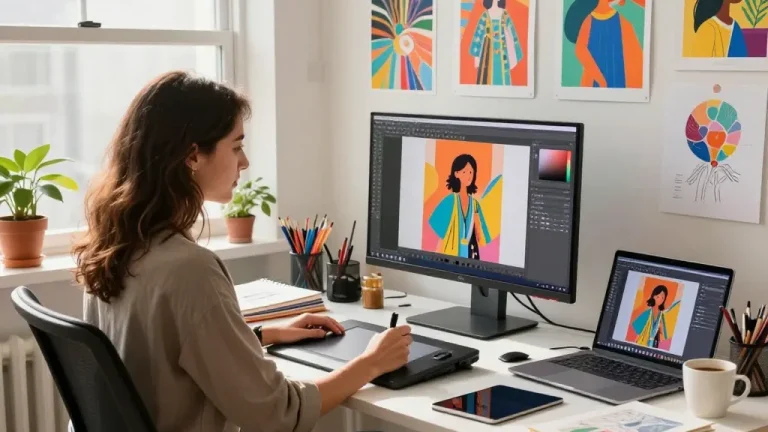
Understanding the Image to Prompt Concept
In a world where technology and creativity intersect, the need for effective tools to translate visual elements into actionable instructions has never been greater. The image to prompt generator addresses this need by harnessing the power of artificial intelligence. By transforming images into detailed text prompts, this tool serves as a bridge between visual inspiration and creative execution, making it invaluable for artists and designers alike.
What is an Image to Prompt Generator?
An Image to Prompt Generator is a sophisticated AI-driven tool designed to analyze the visual components of an image and convert them into descriptive text prompts. This process involves examining various elements such as the subject matter, composition, lighting, style, and mood of the image. The resulting prompt can then be utilized in AI art generators like Midjourney, Stable Diffusion, or Flux, enabling users to recreate similar images or refine their artistic approach with specific keywords tailored to their desired aesthetic.
The Importance of Effective Prompts in AI Art
In the realm of AI art generation, the quality of the input prompt significantly impacts the output. Effective prompts lead to more coherent and visually appealing results. When artists and designers leverage an image to prompt generator, they can enhance their creative workflows by obtaining precise descriptions that facilitate better communication with AI systems. Whether you aim for realism, surrealism, or abstract forms, well-crafted prompts are essential for translating artistic visions into tangible creations.
How Image Analysis Enhances Creativity
Image analysis is a critical aspect of the image-to-prompt generation process. By breaking down an image into its constituent parts, the generator offers artists a fresh perspective on their visual inspirations. This analytical approach not only aids in creating prompts but also encourages experimentation and exploration. Artists can discover new styles and techniques simply by observing how different elements within their images are articulated in prompt form, leading to a more enriched creative experience.
How to Use Our Image to Prompt Tool
Using our Image to Prompt tool is a straightforward and efficient process that can significantly enhance your creative endeavors. This section provides a step-by-step guide for users to maximize the potential of the tool.
Step-by-Step Guide to Uploading Images
The first step in generating prompts is to upload your image. You can simply drag and drop your PNG, JPG, or WEBP file (up to 4MB) into the designated area or click to browse your computer for the image. This simplicity allows for quick access, enabling you to initiate your creative exploration without delay.
Selecting the Best AI Model for Your Project
Once your image is uploaded, you’ll need to select the AI model that aligns best with your project needs. Each model, such as Midjourney, Stable Diffusion, Nano Banana, and Flux, has unique characteristics that cater to different artistic styles and requirements. Understanding which model is optimal for your desired output can dramatically influence the effectiveness of the generated prompts.
Interpreting Generated Prompts for Maximum Impact
After running your image through the generator, you’ll receive a text description that encapsulates its essence. Interpreting these prompts effectively is key to maximizing their impact. Focus on how specific words and phrases can help shape the images you want to create. This step allows you to refine your creative vision further and tailor your art to align with your expectations.
Optimizing Prompts for Different AI Models
Not all AI image generators operate in the same manner; therefore, optimizing your prompts to fit the requirements of different models is essential. Let’s delve into how to adapt your approach for various platforms.
Working with Midjourney and its Unique Needs
Midjourney is known for its artistic bias and tendency to produce stylized images. When generating prompts for this platform, it’s important to incorporate poetic and creative descriptors that resonate with its algorithm. For example, instead of saying “a cat on a table,” you might use “a whimsical feline perched gracefully upon a vintage tabletop, bathed in warm sunlight.” This elevated language can inspire more vibrant artistic outputs.
Adapting Prompts for Stable Diffusion Performance
In contrast, Stable Diffusion favors precision and technical language. When crafting prompts for this model, focus on including specific keywords and attributes that guide the generator toward the intended output. A prompt that reads “an intricately detailed mechanical robot with blue LEDs glowing” will yield different results than a more vague description. Ensuring clarity and specificity in your language is paramount for optimal performance.
Exploring Creative Possibilities with Nano Banana and Flux
Both Nano Banana and Flux offer unique features that appeal to different segments of the creative community. For Nano Banana, think outside the box when describing your visual ideas; quirky and imaginative language can yield surprising and delightful results. Meanwhile, Flux requires concise and optimized prompts that meet its input structure. Understanding these nuances allows artists to fully leverage the capabilities of each platform.
Real-World Applications of Image to Prompt Technology
The applications of image to prompt technology are vast and varied, impacting multiple fields within the creative industry. This section examines notable case studies, demonstrating how this technology has been utilized effectively.
Case Studies: Successful AI Art Projects
Numerous artists and designers have successfully integrated image to prompt technology into their workflows. For instance, an art collective used the tool to turn classic paintings into digital prompts, resulting in a unique series of AI-generated reinterpretations. The fusion of historical aesthetics with contemporary technologies showcases the potential of image analysis in creating innovative art.
How Designers and Artists Benefit from Prompt Tools
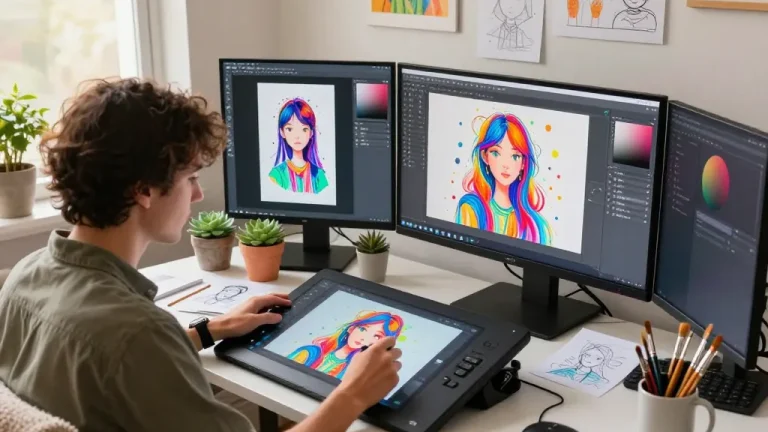
Designers and artists utilize prompt generation tools not only for inspiration but also for practical applications in their projects. By streamlining the ideation process and reducing the time spent on conceptualizing ideas, these tools allow creators to maintain their focus on execution and refinement. The time saved can be redirected toward honing techniques or exploring new mediums.
Future Trends in AI Image Generation and Prompt Usage
The future of AI image generation appears promising, with increasing advancements in technology and algorithm sophistication. As machine learning techniques evolve, we can expect even more intuitive and context-sensitive prompt generation tools. The integration of augmented reality (AR) and virtual reality (VR) may also revolutionize how artists and designers interact with AI, creating a seamless blend of the digital and physical worlds.
Frequently Asked Questions
As with any emerging technology, users often have questions about the functionalities and limitations of image to prompt generators. Here we address some of the most common inquiries.
Can I use an image as a prompt with ChatGPT?
Yes, it is indeed possible to use images as prompts with ChatGPT, particularly when combined with descriptive text. While ChatGPT primarily focuses on textual inputs, integrating an image can enhance the context of your queries, leading to more relevant and creative responses.
Is the image to prompt tool really free?
Our image to prompt generator is designed to be user-friendly and accessible, allowing users to generate prompts without any cost. This accessibility encourages exploration and experimentation, empowering creators of all skill levels to unleash their creativity.
How accurate are the descriptions generated from my image?
Our advanced AI technology analyzes each pixel to produce highly accurate and detailed text descriptions. While no system is perfect, the generator aims to extract the most relevant aspects of the uploaded image, ensuring that the generated prompts effectively capture the essence of the original visual.
Do you store my uploaded images?
No, we prioritize user privacy and do not store any uploaded images. Each image is processed in real-time and immediately discarded from our servers, ensuring your creative assets remain confidential.
What AI models are supported by the tool?
Our image to prompt generator currently supports popular AI models such as Midjourney, Stable Diffusion, Nano Banana, and Flux. We continuously work on expanding our model support, so users can expect more options in the future.